HeadsUpAI

Google DeepMind previews Co-Scientist to automate scientific hypothesis generation

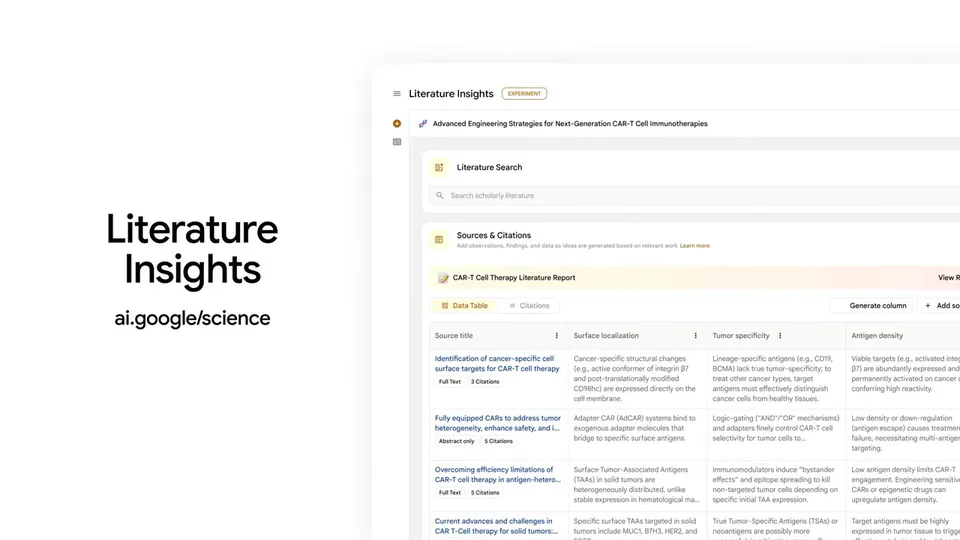
Google DeepMind introduced Co-Scientist, a multi-agent system built on Gemini that autonomously generates, critiques, and evolves scientific hypotheses. Unlike standard assistants, it uses specialized agents—including generation, reflection, and ranking agents—to explore thousands of research directions. This system is now available through the Hypothesis Generation tool within Gemini for Science.
Agent Phases
Generate, Debate, Evolve
Core Mechanism
Tournament of Ideas
Integrated Tools
AlphaFold, ChEMBL, UniProt
Access Point
Hypothesis Generation tool
Research Partners
Bayer Crop Science, Daiichi Sankyo, and others

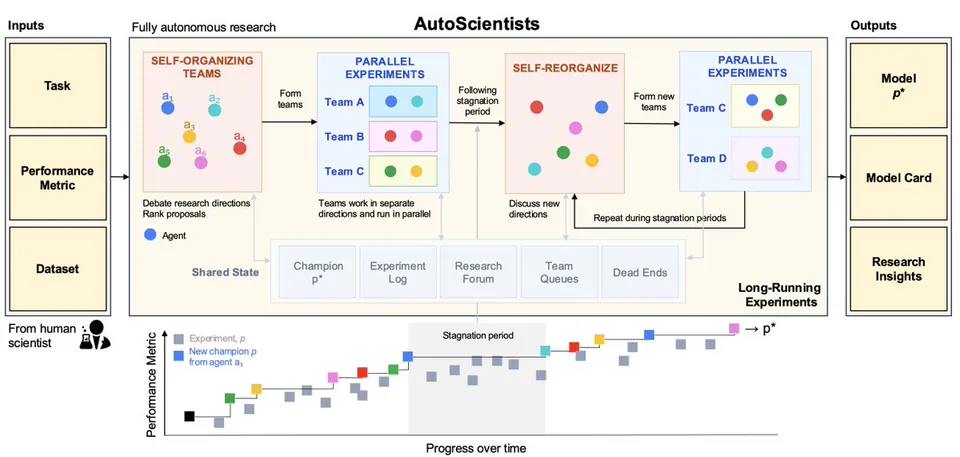
The update shifts AI from a retrieval tool to a research partner capable of structured thinking. By using a tournament of ideas, the system verifies claims against scientific literature and databases. This approach expands on the decentralized teams seen in AutoScientists, using a central supervisor agent to coordinate parallel exploration.

Researchers can register their interest in the experimental preview for discovery workflows. The system integrates web search and models like AlphaFold to ground its proposals. While an enterprise version is being tested with Bayer Crop Science, the initial rollout focuses on accelerating iteration cycles in the life sciences.

Google DeepMind
Google DeepMind
@GoogleDeepMind
X

We believe AI can be a dedicated research partner to help discover the next breakthrough. Enter Co-Scientist: our latest Gemini-based multi-agent system that can generate, debate and evolve novel hypotheses for complex scientific problems đź§µ

274retweets1.5klikes
View on X

Still wondering? A few quick answers below.

Co-Scientist is a multi-agent AI system built on Gemini designed to act as a research partner. It moves beyond simple information retrieval by autonomously generating, debating, and refining scientific hypotheses. The system uses specialized agents to explore thousands of potential research directions and verify them against existing scientific literature and data.

The tournament of ideas is a ranking mechanism where specialized AI agents hold simulated scientific debates. They use pairwise comparisons to evaluate hypotheses for correctness, quality, and novelty. This process allows the system to prioritize the most promising research paths, similar to the competitive logic used in systems like AlphaGo.

Individual researchers can register their interest for the experimental preview at labs.google/science. The system is being rolled out through a tool called Hypothesis Generation, which is part of the broader Gemini for Science suite. Google is also expanding access to enterprise partners through Google Cloud in the near future.

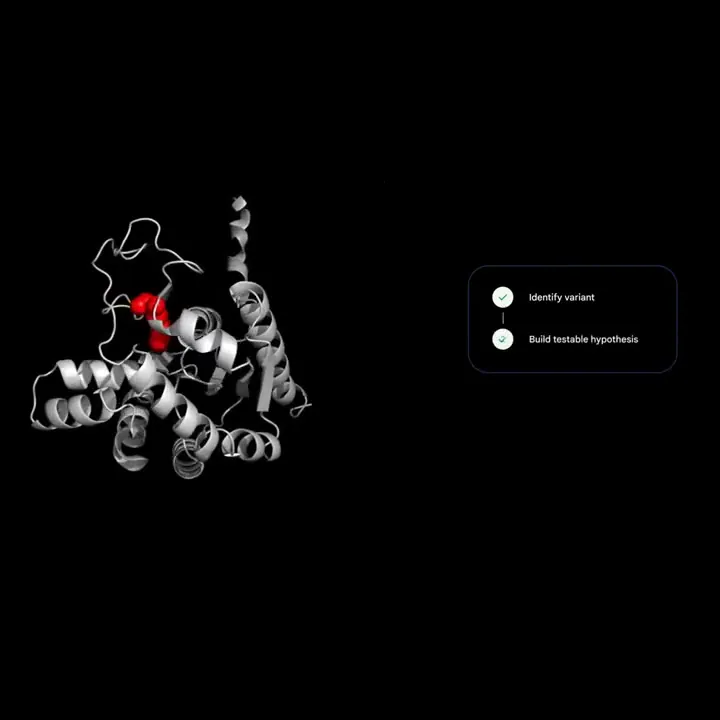
Co-Scientist has been used to identify new drug-repurposing candidates for liver fibrosis, propose genetic leads for reversing cellular aging, and uncover new approaches to tackling ALS. It assists by digesting decades of literature, identifying overlooked connections, and narrowing down amino acids or proteins for laboratory testing.

Every HeadsUpAI update is written based on its original source and reviewed before it's published. Read our editorial standards →

Share this update