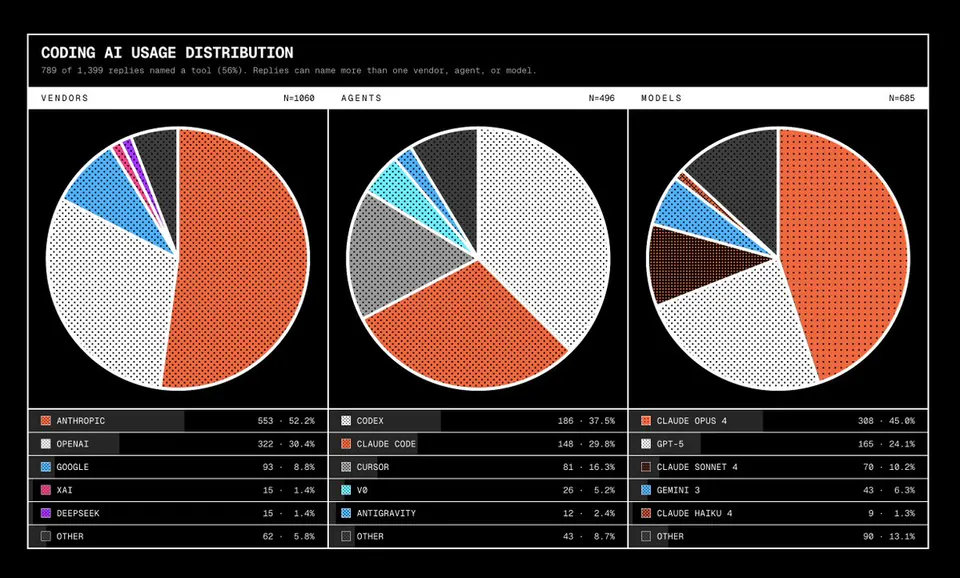
Vercel CEO Guillermo Rauch reports that CEOs and CTOs are returning to active coding using agentic tools like Claude Code. This shift increases C-suite visibility into technical infrastructure, making software quality and stack effectiveness transparent to an organization's top leadership.
Guillermo Rauch, CEO of Vercel, reports that CEOs and CTOs are returning to active development through agentic coding—AI that autonomously writes and tests code. Based on direct feedback from enterprise leadership, Rauch identifies a trend where executives use Claude Code for initial development before maturing projects with Codex. - Primary Trend
- C-suite return to active software development
- Core Tools
- Claude Code, Vercel
- Maturity Tool
- Codex
- Workflow Model
- 0 to 1 (Claude Code) to Maturity (Codex)
- Strategic Impact
- Increased infrastructure and code transparency
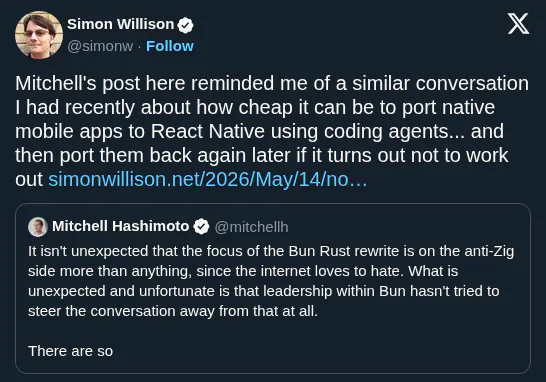
This shift increases transparency, as agents allow leadership to interact directly with the codebase. Legacy software and poor infrastructure choices can no longer be hidden. This makes technical decisions more reversible, as teams can now perform full-scale architectural rewrites at a fraction of traditional costs, a shift supported by the OpenAI engineering team's move to agentic workflows.
Rauch suggests organizations are moving toward software factories where advantage comes from production efficiency. Leaders can pilot these workflows using the Open Agents reference platform to build custom autonomous cloud coding environments. This transition is further accelerated by OpenAI removing seat fees for its agentic coding tools to encourage enterprise pilots.