HeadsUpAI

Salesforce Compresses 231 Day Migration Into 13 Days Using Claude Code

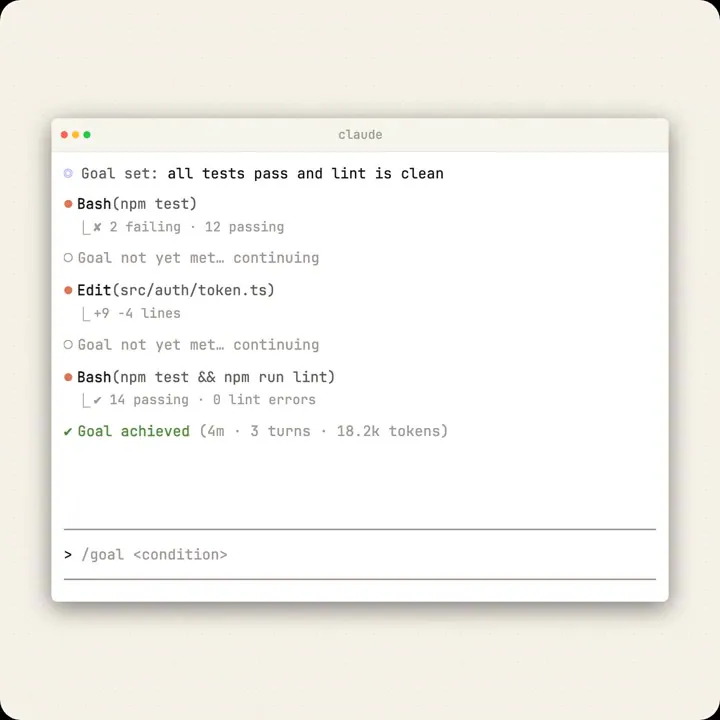
Salesforce transitioned its Monitoring Cloud team to agentic engineering to migrate 4.3 million daily notifications. By using Claude Code and Cursor, the team compressed a 231-day project into 13 days. This follows the Claude Code launch and the release of Claude Code's goal command.
Validation time reduction
Days to minutes
Daily alert volume
4.3 million notifications
Production incident change
5% reduction

This shift challenges the assumption that speed compromises quality. Salesforce found that production incidents dropped by 5% by embedding security guardrails into the agentic loop. This success joins data from Cognition's Devin migrations, signaling that autonomous agents are moving from simple bug fixes to handling massive architectural technical debt at scale.

You can replicate these gains by using persistent memory files like CLAUDE.md to maintain modularity. Salesforce also used automated validation frameworks to reduce verification for 1,200 policies from days to minutes. Claude Code is available via the Anthropic API, while Cursor and Windsurf offer tiered subscriptions for enterprise teams.

Boris Cherny
Boris Cherny
@bcherny
X

Salesforce published a detailed writeup on going agentic with Claude Code. A couple things jumped out. A migration they'd scoped at 231 days shipped in 13. One PR delivered 21 endpoints at 100% test coverage.

147retweets2.9klikes
View on X

Still wondering? A few quick answers below.

Salesforce engineers used Claude Code and Cursor to automate the migration of 4.3 million daily alert notifications. By utilizing agentic workflows that autonomously plan and execute multi-step tasks, the team compressed a 231-day project into 13 days. The tools handled complex data joins and policy lookups that previously required manual scripting.

No, Salesforce reported that total production incidents dropped by 5% despite the increased development speed. The team achieved this by building security guardrails and quality standards directly into the agentic workflow. They also used AI to create automated validation frameworks that replayed old notifications to ensure consistency between legacy and new systems.

The Salesforce Monitoring Cloud team utilized a combination of Anthropic's Claude Code, Cursor, and Windsurf. They found that providing these AI assistants with structured context, such as a CLAUDE.md file for persistent memory, was essential for maintaining modular code. This approach prevented the unmanageable code bloat that often occurs with simple, unstructured prompting.

The team developed an AI-assisted validation tool that reduced the time required to verify 1,200 service policies from several days down to just minutes. This automated framework proactively identified gaps in the new service's rule engine, saving an estimated 600 to 800 engineering hours and turning a multi-quarter effort into a two-quarter project.

While vibe coding often involves accepting AI output without deep review, Salesforce practiced agentic engineering by maintaining strict software design principles. They moved away from simple prompts that created unmanageable code toward structured workflows using rules and memories. This ensured the resulting code remained modular while allowing agents to own complex tasks end-to-end.

Share this update