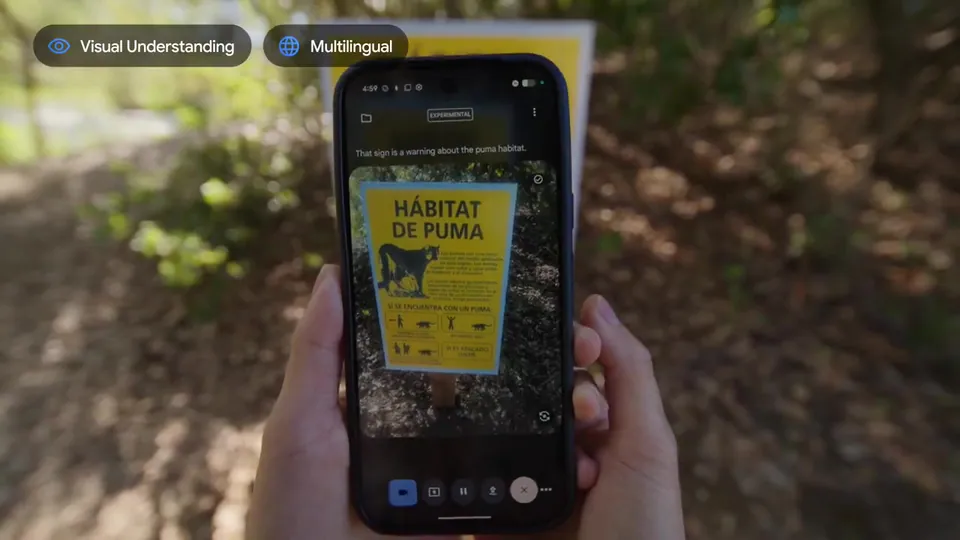
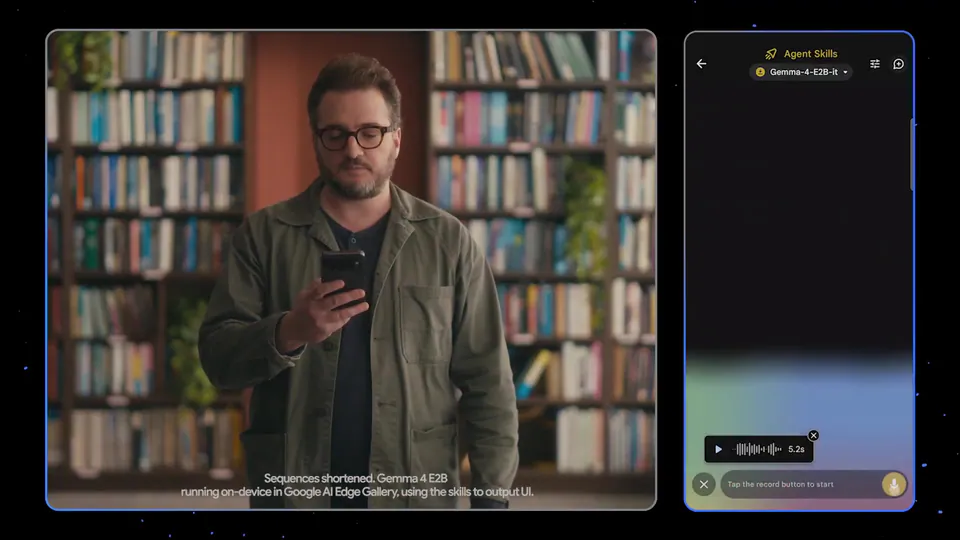
Introducing the newest Coral board, for efficient, on-device AI! Check out the demos in the video: - On-board speech translation - Natural language controlling hardware - Vision & sound generating music https://t.co/Hav2VwI7G1
Google and Synaptics Preview Coralboard for Offline Multimodal AI
Google and Synaptics announced the Coralboard, a development platform for edge AI (AI running on local hardware). It features an integrated Coral NPU, a specialized processor designed for high-speed, low-power AI tasks. The board uses an open-source, RISC-V based architecture to support rapid prototyping of smart devices.
- Availability
- Summer 2026
- Architecture
- RISC-V based
- Supported frameworks
- PyTorch, JAX, LiteRT
- Connectivity
- Ethernet-over-USB, Wi-Fi, Bluetooth
- Processor
- Integrated Coral NPU
By moving to a standards-based architecture, Google enables private, offline multimodal experiences like speech translation and hardware control previously restricted to high-end mobile hardware. This launch marks a transition from the legacy Edge TPU to a more flexible NPU platform that supports the current era of generative and multimodal AI.
You can deploy PyTorch, JAX, or LiteRT models using unified MLIR compiler toolchains. The board supports plug-and-play peripherals like cameras and displays, with connectivity via Ethernet-over-USB or optional Wi-Fi. The Coralboard arrives in Summer 2026, with technical datasheets and setup guides available now for developers.
Google Gemma
@googlegemma
84retweets903likes
View on XStill wondering? A few quick answers below.
The Synaptics Coralboard is a development platform designed for edge AI, which refers to artificial intelligence that runs locally on a device rather than in the cloud. It features an integrated Coral Neural Processing Unit to accelerate AI tasks like speech translation and vision processing while maintaining high power efficiency for rapid prototyping.
The Coralboard is scheduled to arrive in Summer 2026. Developers interested in building with the platform can currently access the official setup guide and technical datasheets through the Google for Developers portal to prepare for the hardware release and understand the board's input and output capabilities for cameras and displays.
The platform supports models built using PyTorch, JAX, and LiteRT. Developers can deploy these models to the Coralboard using a unified developer experience centered on standards-based MLIR compiler toolchains. This allows for the execution of complex multimodal tasks, such as natural language hardware control and vision-based music generation, directly on the device.
The board offers versatile connectivity options including Ethernet-over-USB for stable networking and data transfer. It also features plug-and-play support for external hardware like cameras, displays, and audio equipment. For wireless needs, the platform supports optional Wi-Fi and Bluetooth modules, allowing developers to customize the board's communication capabilities based on their specific project requirements.
The Coralboard is built on an open-source, RISC-V based hardware architecture. This design choice provides a flexible and transparent foundation for hardware developers to create high-performance, ultra-low-power AI applications. By using an open standard, Google and Synaptics aim to enable a more accessible ecosystem for custom silicon and edge AI development.