HeadsUpAI

Google DeepMind Reimagines the Mouse Pointer as a Context Aware AI Agent

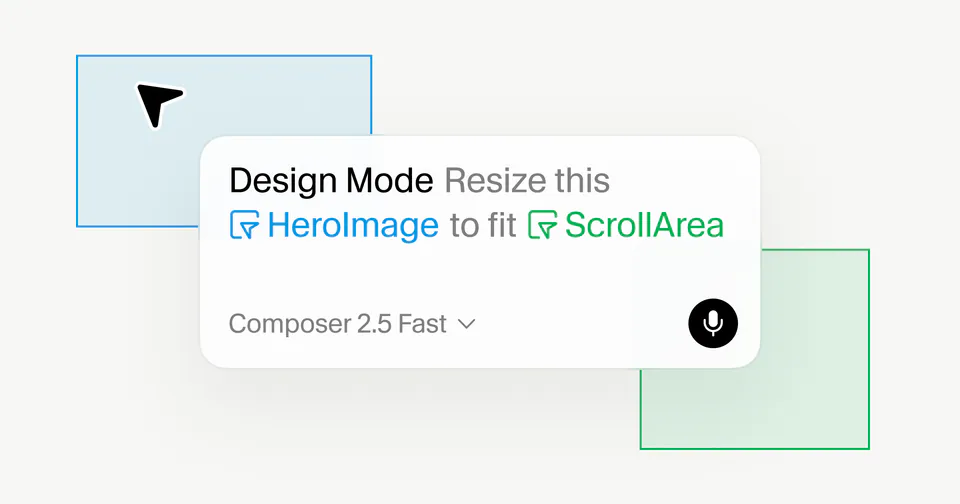
Google DeepMind is reimagining the 50-year-old mouse pointer as a context-aware interface powered by Gemini. Unlike traditional cursors that only track coordinates, this AI-enabled pointer understands the "entities" it hovers over—such as code blocks or video objects—and treats them as actionable data for the model.
Core model
Gemini
Interaction modes
Motion, speech, and natural shorthand
Feature name
Magic Pointer
Initial integrations
Chrome and Googlebook
Availability
Google AI Studio (experimental demos)

This shift addresses the friction of "AI detours," where users must drag data into a separate chat window. It mirrors the industry-wide move toward Karpathy's interactive visual AI interface roadmap by enabling natural shorthand—pointing and saying "fix this"—which replaces long, descriptive text prompts with intuitive physical gestures and shared context.

You can test these concepts through experimental demos in Google AI Studio for image editing and map discovery. The principles are already being integrated into Gemini in Chrome for comparing products and will soon launch as Magic Pointer on the new Googlebook laptop to enable system-wide multimodal interaction.

Google DeepMind
Google DeepMind
@GoogleDeepMind
X

We’re reimagining a 50-year-old interface - the mouse pointer - with AI. 🖱️ These experimental demos show how people can intuitively direct Gemini on their screens using motion, speech, and natural shorthand to get things done 🧵 https://t.co/p6fhgNcopz

1.1kretweets8.6klikes
View on X

Still wondering? A few quick answers below.

The AI-enabled mouse pointer is an experimental interface that uses Gemini to understand the visual and semantic context of what a user is pointing at on their screen. Instead of just tracking coordinates, it identifies specific entities like text, images, or code, allowing users to interact with digital content using natural shorthand and speech.

The system captures the visual context around the cursor and uses multimodal AI to interpret the user's intent. By combining physical gestures with voice commands like fix this or move that, the pointer eliminates the need for detailed text prompts. It transforms on-screen pixels into structured, actionable entities such as dates, places, and objects.

You can test the experimental AI-enabled pointer through Google AI Studio. Currently, there are two specific demos available: one for editing images and another for finding places on a map using the intelligent pointer. These experiments allow users to experience how pointing and speaking can replace traditional, friction-heavy AI interactions and sidebar detours.

Magic Pointer is a forthcoming feature for the Googlebook laptop that integrates Gemini directly into the pointing experience. It applies Google DeepMind's interaction principles to the hardware level, allowing users to harness AI capabilities at their fingertips. This integration aims to make collaborating with AI feel more fluid and intuitive across the entire operating system.

Google is integrating these AI pointing principles into Chrome to help users interact with web content more efficiently. Starting today, users can use their pointer to ask Gemini about specific parts of a webpage. This enables actions like selecting multiple products to compare them or pointing to a specific area to visualize a new piece of furniture.

Share this update