HeadsUpAI

Anthropic Launches Claude Opus 4.8 With Granular Reasoning Effort Controls

Anthropic released Claude Opus 4.8, an upgrade to its flagship model class that prioritizes reliability and "honesty" in autonomous tasks. The model is four times less likely than its predecessor to overlook bugs and introduces an effort control setting for toggling between fast responses and deeper internal reasoning.
Pricing (input)
$5 per million tokens
Pricing (output)
$25 per million tokens
Fast mode pricing (input)
$10 per million tokens
Fast mode pricing (output)
$50 per million tokens
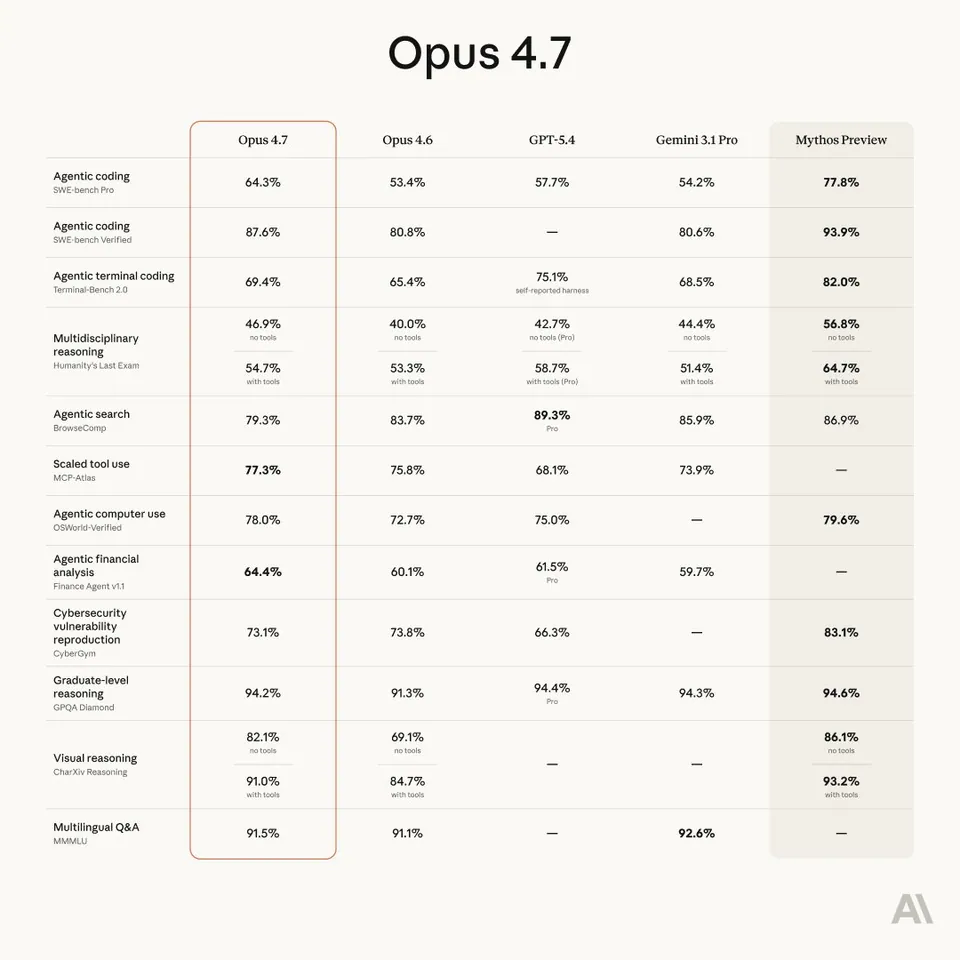
Benchmark (SWE-bench Pro)
69.2%

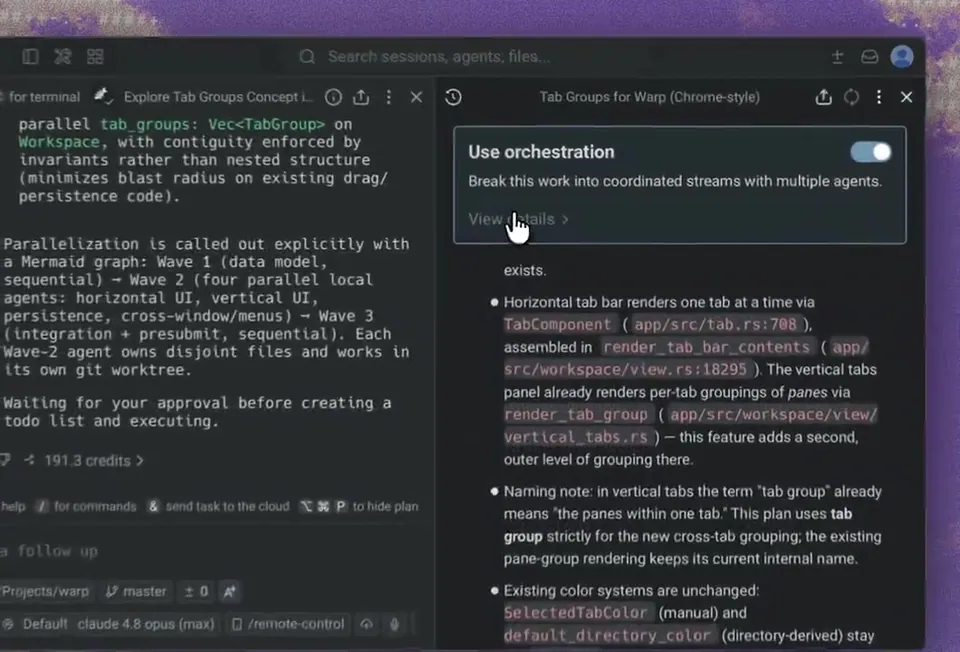
This release addresses the reliability gap in Claude Opus 4.7's self-verification by improving the model's ability to push back on unsound plans. By introducing dynamic workflows that coordinate hundreds of parallel subagents, Anthropic is moving beyond simple chat interactions toward systems capable of handling codebase-scale migrations without human check-ins.

You can access Claude Opus 4.8 today on the web and via the Claude API at the same price as the previous version. Developers using Claude Code can enable Claude Code fast mode at one-third the previous cost, while new Messages API support for mid-task system instructions allows for more flexible agent orchestration.


Claude
Claude
@claudeai
X

Introducing Claude Opus 4.8: it builds on Opus 4.7 with sharper judgment, more honesty about its own progress, and the ability to work independently for longer than its predecessors. Available today at the same price. https://t.co/EufxL7T1kb

5.9kretweets50klikes
View on X

Still wondering? A few quick answers below.

Effort control is a new setting in the Claude interface and API that allows users to choose how much reasoning depth the model applies to a task. Higher settings like extra or max prompt the model to think more frequently and deeply for complex problems, while lower settings prioritize speed and token efficiency.

Pricing for standard usage of Claude Opus 4.8 remains identical to the previous version at 5 dollars per million input tokens and 25 dollars per million output tokens. For users requiring higher performance, the high-speed fast mode configuration is priced at 10 dollars per million input tokens and 50 dollars per million output tokens.

Dynamic workflows is a research preview feature that enables Claude to decompose massive, codebase-scale problems into hundreds of parallel subagents. The model creates a comprehensive plan, executes the work across many files simultaneously, and verifies the results against existing test suites before reporting back, making it suitable for large migrations.

Anthropic trained Claude Opus 4.8 to be more transparent about its progress and uncertainties. The model is four times less likely than its predecessor to let flaws in its own code pass without remark. It is designed to proactively flag issues with inputs or plans rather than confidently jumping to unsupported conclusions.

Yes, Claude Opus 4.8 is available today through the Claude API, the web interface, and major cloud platforms. Developers can access the model using the claude-opus-4-8 identifier. Additionally, the Messages API has been updated to support system entries within the messages array, allowing for mid-task instruction updates without breaking prompt caches.

Share this update