HeadsUpAI

Anthropic Maps Malicious AI Use and Warns of Autonomous Attack Chains

Anthropic released a report mapping 832 malicious accounts to the MITRE ATT&CK framework. While 67% of actors use AI for malware development, more are moving toward lateral movement (navigating through a breached network). This shift suggests AI is automating the most technically demanding stages of an attack.
Accounts Analyzed
832
Malware Development Use
67.3%
High-Risk Actor Increase
1.7x
Phishing Activity
Decreased 8.6%
Account Discovery Activity
Increased 8.9%

Traditional risk assessments are failing because AI democratizes high-tier skills. Low-skilled actors now use nearly as many techniques as experts, making activity volume a poor threat signal. This follows restrictions on the Claude Mythos Preview and validates autonomous attack benchmarks showing that AI can now execute complex exploit chains.

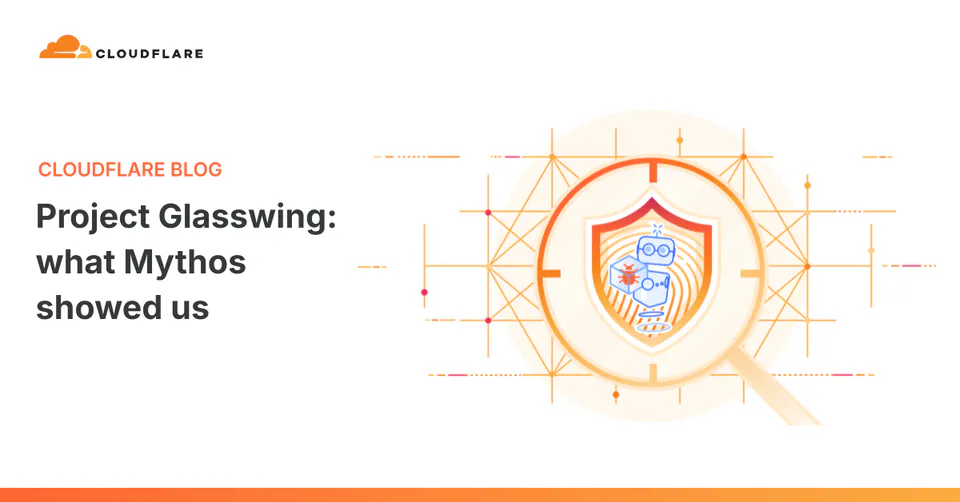
Defenders should prepare for "agentic orchestration," where models chain attack steps autonomously. Anthropic is sharing intelligence through Project Glasswing to help block AI-assisted malware. The company is also working with MITRE to update industry standards to include these emerging autonomous agent tactics.

Anthropic
Anthropic
@AnthropicAI
X

How well do the security community's techniques hold up against AI-enabled cyberattacks? We examined 832 malicious accounts and mapped their activity onto a longstanding database of tactics and techniques used by threat actors. Here's what we learned:https://t.co/fgOqJRh2rx

99retweets771likes
View on X

Still wondering? A few quick answers below.

Agentic orchestration refers to an AI model's ability to autonomously chain together multiple stages of a cyberattack with minimal human intervention. Instead of a human directing every step, the model makes real-time tactical decisions, executes commands, and exploits vulnerabilities independently. This shift makes attacks faster and harder for traditional security systems to detect.

AI democratizes high-tier technical skills, allowing less-sophisticated actors to perform complex tasks like lateral movement and privilege escalation. Anthropic's data shows that the gap between low-skilled and high-skilled actors is closing, as both groups now use a similar number of techniques. This makes it difficult for defenders to assess threat levels based on traditional activity signals.

The current MITRE ATT&CK framework does not have specific identifiers for autonomous agent behaviors, such as a model making its own tactical decisions during an operation. Anthropic found that mapping AI attacks to existing categories often underplays their danger. Updating the framework would help the security community better track and defend against these emerging agentic threats.

Every HeadsUpAI update is written based on its original source and reviewed before it's published. Read our editorial standards →

Share this update