HeadsUpAI

Google Optimizes Gemma 4 for High Concurrency Serving on Single GPUs

Ā· Updated

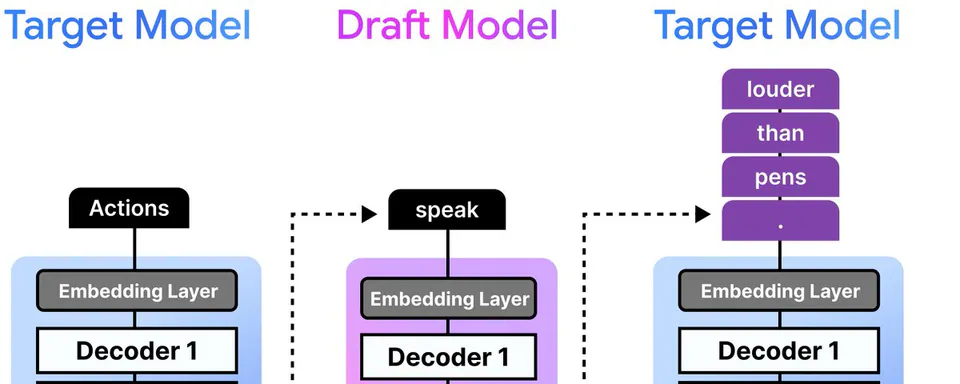
Google demonstrated a high-concurrency serving optimization for Gemma 4 26B A4B, a Mixture-of-Experts (MoE) model (an architecture activating only a subset of parameters per request). The system can now process 10 or more concurrent sessions on a single GPU, building on the initial Gemma 4 launch.
Model
Gemma 4 26B A4B
Architecture
Mixture of Experts
Total parameters
26 billion
Active parameters
4 billion
Concurrency
10+ sessions
Hardware
Single GPU

Serving large models typically requires massive GPU clusters, creating a cost bottleneck for developers. By enabling double-digit concurrency on a single chip, Google is addressing the economics of production-grade deployments. This mirrors NVIDIA's inference stack rebuild which also targets throughput improvements for multi-step agentic workflows.

You can implement this high-concurrency setup using a new GitHub cookbook that provides the necessary routing and acceleration logic. The release includes a live dashboard for monitoring active slots, context sizes, and token generation speeds. This setup is optimized for complex tasks like SVG generation that require sustained reasoning.

Google AI Developers
@googleaidevs
X

Zoom in on how @GoogleGemma 4 is optimized to handle high-concurrency serving for complex tasks (such as generating SVGs) — on a single GPU. āœ“ 10+ sessions are sent to the 26B A4B model āœ“ The system routes, accelerates, and processes those workloads — without bottlenecking āœ“ A live dashboard visually tracks the load balancing in real time, displaying active slots, context sizes, and token generation speeds Watch the demo to see it in action ā¬‡ļø

14retweets151likes
View on X

Still wondering? A few quick answers below.

Gemma 4 26B A4B is a Mixture of Experts model from Google. It contains 26 billion total parameters but only activates 4 billion parameters during each forward pass. This architecture allows the model to maintain high reasoning quality while operating with the efficiency and speed of a much smaller model.

The Gemma 4 26B A4B model is optimized to handle more than 10 concurrent sessions on a single GPU. The system uses specialized routing and acceleration to process these multiple workloads simultaneously without creating performance bottlenecks, making it suitable for high-volume tasks like generating SVGs or managing complex agentic workflows.

Google has released the implementation details and code for this high-concurrency setup in the official Gemma cookbook on GitHub. Developers can access the repository to find the specific application logic, routing configurations, and a live dashboard template used to track active slots, context sizes, and token generation speeds in real time.

This optimization is specifically designed for complex, high-concurrency tasks that require advanced reasoning. Google highlighted SVG generation as a primary example of a workload that can be scaled across 10 or more sessions on a single GPU. It is particularly useful for developers building multi-user applications or autonomous agents that require parallel processing.

Yes, the system includes a live dashboard that visually tracks load balancing in real time. This monitoring tool displays critical performance metrics for each of the concurrent sessions, including active slots, current context sizes, and token generation speeds. These metrics help developers ensure the system is routing and accelerating workloads efficiently without hitting hardware bottlenecks.

Share this update