HeadsUpAI

Google Gemma 4 Claims Top Rankings on Japanese Swallow Leaderboard v2

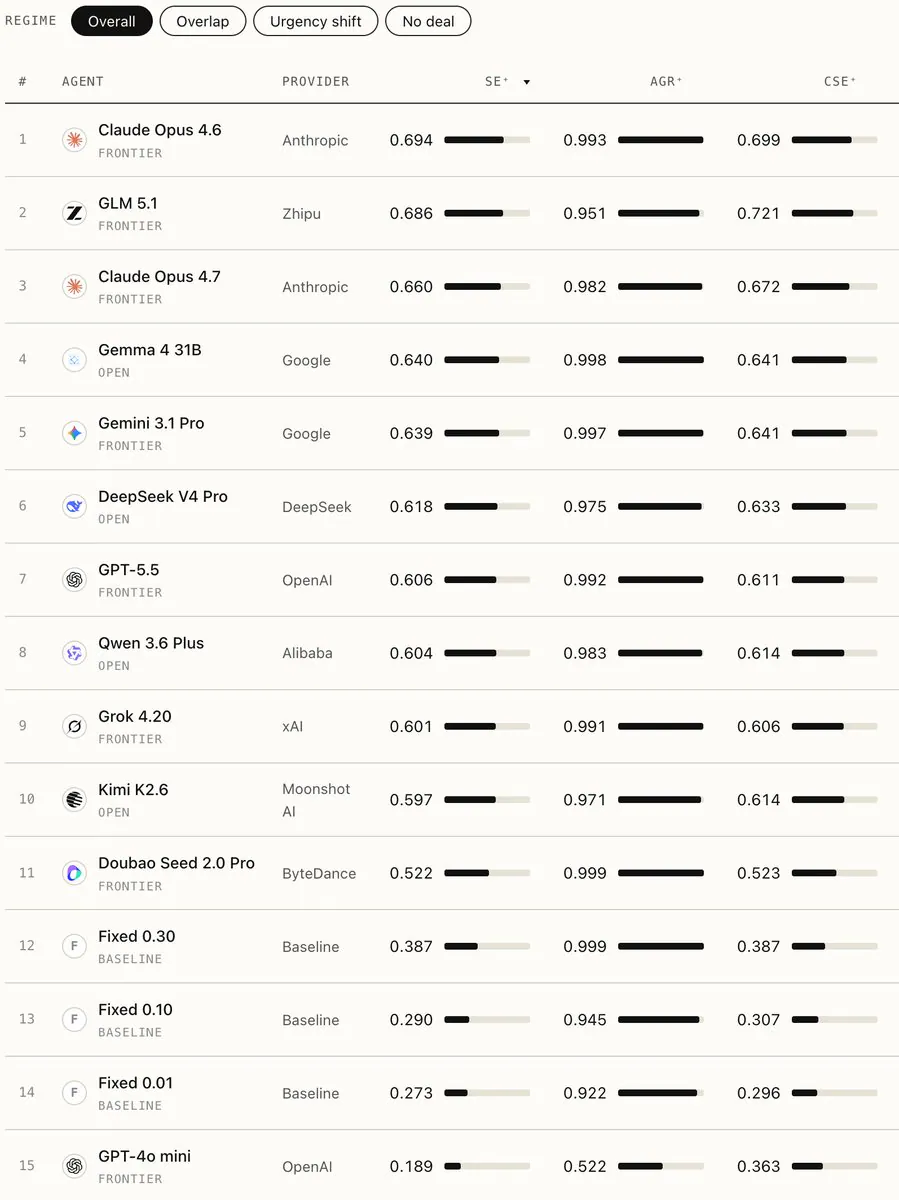
Google confirmed that its Gemma 4 open-weight model (where the trained parameters are publicly released) achieved high-ranking results on the Swallow Leaderboard v2. This benchmark (a standardized test for evaluating model quality) assesses Japanese language capabilities to ensure global models perform effectively across regional linguistic and reasoning tasks.

This shift highlights the closing gap between global open-weight models and specialized regional systems. While previous Gemma 4 manual resolution controls focused on vision and Gemma 4 drafter models improved speed, these results prove linguistic versatility. It positions Google's open models as viable alternatives to proprietary systems in major markets.

You can now use Gemma 4 for Japanese-language applications requiring high-performance reasoning. The model weights are available for self-hosting or via the Google AI Studio API. This follows the recent integration of Gemini CLI's local routing which allows Gemma models to handle intent analysis on-device.

Google Gemma
Google Gemma
@googlegemma
X

Gemma 4 is a highly-capable model in Japanese! Amazing to see great results for it on the latest Swallow Leaderboard v2 results. ✨ Excited to see what’s next in the open model space! https://t.co/aK4raCKIeh

110retweets801likes
View on X
Still wondering? A few quick answers below.

The Swallow Leaderboard v2 is a specialized benchmark developed by the Tokyo Institute of Technology to evaluate the Japanese language capabilities of large language models. It uses a variety of tests, including math, coding, and general reasoning, to rank how effectively models handle linguistic nuances and complex tasks specifically within the Japanese language context.

Google Gemma 4 is an open-weight model, meaning its trained parameters are publicly released for developers to download and run. While it is built on Google proprietary Gemini technology, the open-weight nature allows for local deployment and customization, making it a flexible choice for researchers and developers who prefer self-hosting over cloud-only APIs.

Google Gemma 4 is a highly capable model for Japanese language tasks, as evidenced by its high-ranking results on the Swallow Leaderboard v2. It demonstrates strong performance across diverse benchmarks such as JHumanEval for coding and MATH-100 for mathematics, establishing it as a leading open-weight option for applications requiring deep Japanese linguistic understanding.

Developers can access Google Gemma 4 through the Google AI Studio API for cloud-based integration or by downloading the open weights for local inference. Because it is a lightweight model family, it is designed to be efficient enough for deployment on various hardware configurations, including edge devices, while maintaining frontier-level performance for Japanese and English tasks.

Share this update