HeadsUpAI

Cursor Launches SDK to Turn Its Agentic Coding Runtime Into Programmable Infrastructure

· Updated

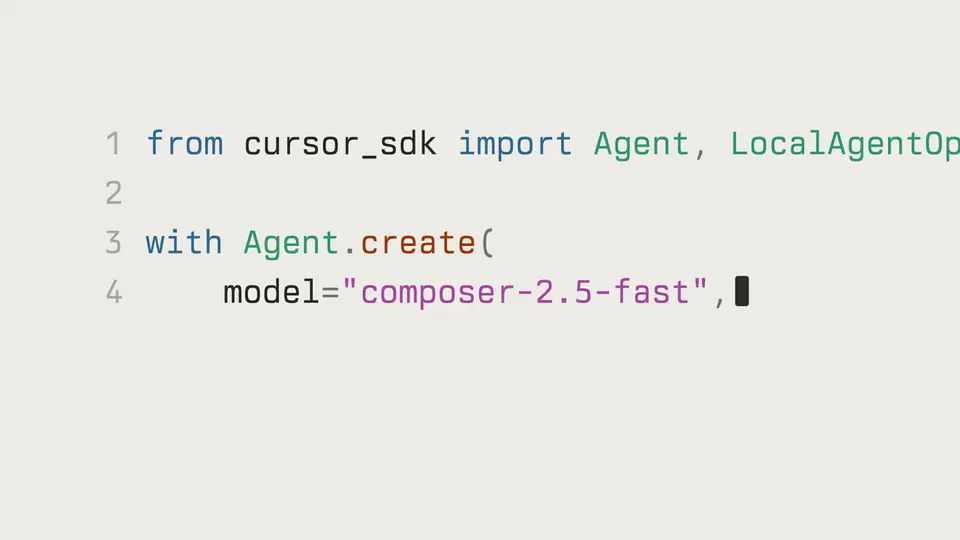
Cursor, the AI-first code editor, launched the Cursor SDK in public beta to provide programmatic access to its agentic runtime. The TypeScript library, @cursor/sdk, allows users to trigger coding agents—including the specialized Composer 2 model—using the same harness that manages codebase indexing and state persistence.
Availability
Public beta, all users
Runtime options
Local, Cursor Cloud, Self-hosted
Pricing
Token-based consumption
Supported models
Composer 2, GPT-5.5, and more
Core features
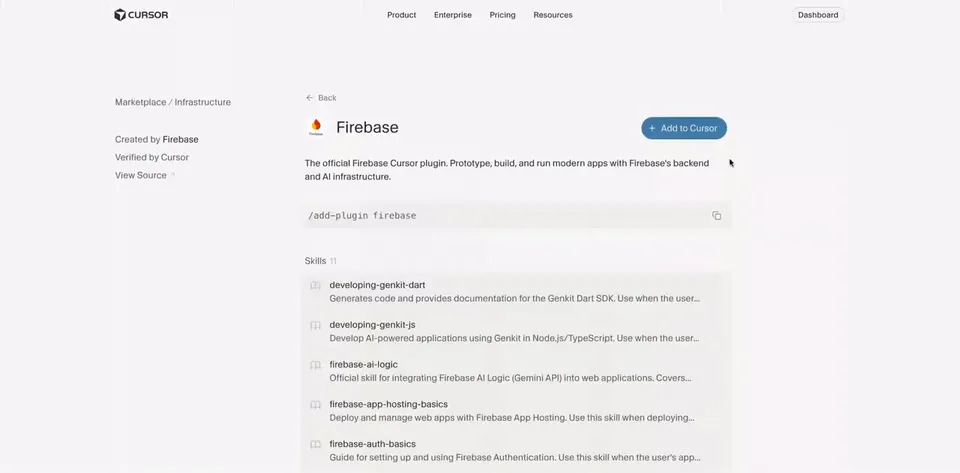
Codebase indexing, MCP support, Subagents, Skills

This release unbundles the agentic orchestration layer from the desktop app, turning it into a platform for autonomous workflows. It follows a broader industry trend of agentic execution engines being embedded into external software. By abstracting secure sandboxing and VM management, it simplifies the deployment of production-grade coding agents.

You can run agents locally, on Cursor's cloud, or via self-hosted workers. The SDK supports parallel subagent orchestration and connects to external tools through MCP (a standard for connecting AI to data). It is available to all users under token-based pricing, with runs visible in the IDE.


Cursor
Cursor
@cursor_ai
X

We’re introducing the Cursor SDK so you can build agents with the same runtime, harness, and models that power Cursor. Run agents from CI/CD pipelines, create automations for end-to-end workflows, or embed agents directly inside your products. https://t.co/bRcn9xjuVz

830retweets8.8klikes
View on X

Still wondering? A few quick answers below.

The Cursor SDK is a TypeScript library that allows developers to programmatically build and deploy AI coding agents. It provides access to the same runtime, models, and orchestration harness used in the Cursor code editor. This enables users to automate complex coding tasks, such as fixing bugs, directly from their own scripts.

The SDK abstracts the complex engineering required for coding agents, including secure sandboxing, environment setup, and codebase indexing. It allows agents to run locally on a machine or in a dedicated cloud VM. Developers can use the SDK to send prompts, stream events, and manage conversation state while utilizing Cursor features.

The Cursor SDK is currently available in public beta for all users. Access is managed through a Cursor API key generated from the integrations dashboard. Pricing is based on standard, token-based consumption, meaning users pay for the input and output tokens generated by the models during agent runs rather than a fee.

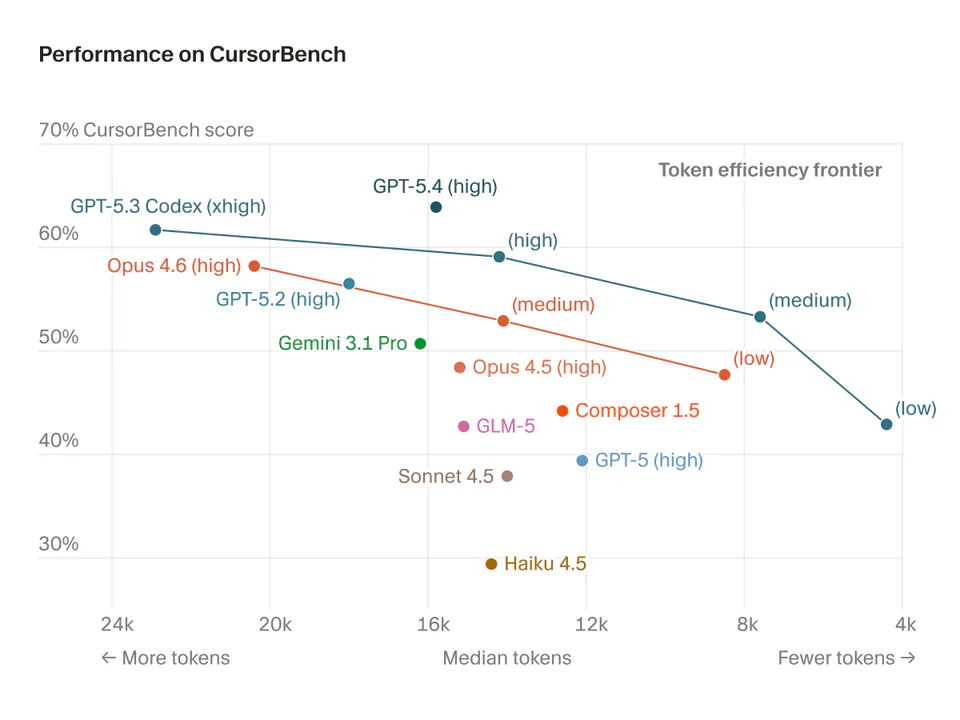
The SDK provides access to every model supported within the Cursor platform. This includes frontier models like GPT-5.5 and specialized coding models like Composer 2. Developers can route agents to specific models based on the complexity of the task, allowing for a customized balance between reasoning capability and inference cost.

Yes, the Cursor SDK supports multiple deployment patterns. While it offers a managed cloud runtime with dedicated VMs, it also allows agents to run on self-hosted workers. This option keeps code and tool execution within a company's own network, which is often required for organizations with strict security or compliance needs.

Share this update