Socket's threat research uncovered SANDWORM_MODE, an active npm worm that targets AI coding assistants via MCP server injection. Installing one of 19 malicious typosquatted packages gives attackers a foothold that feeds hostile instructions to tools like Claude Code and Cursor.
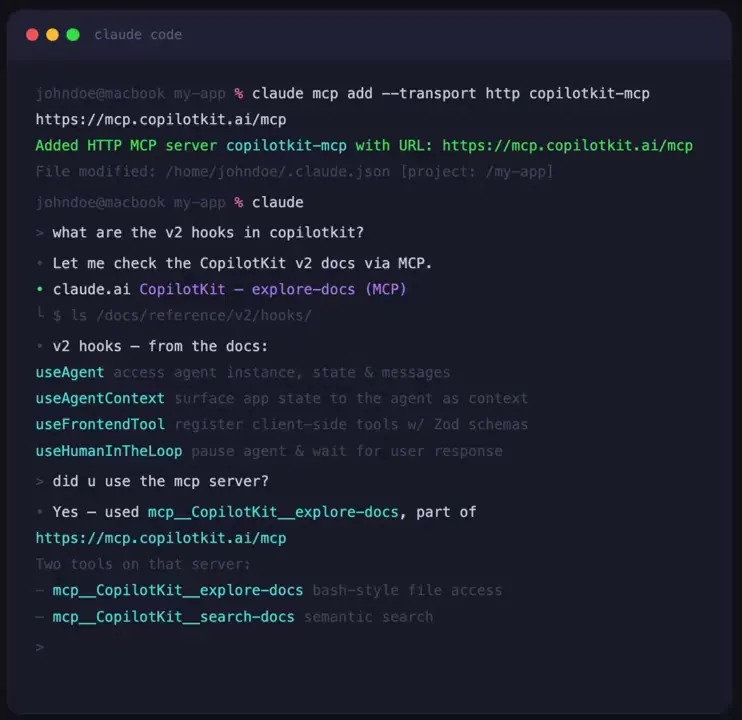
SANDWORM_MODE is an active npm supply chain worm tracked by Socket's threat research team across at least 19 malicious packages under two npm aliases. When a developer installs one, the package steals credentials, injects a hidden malicious MCP server into their home directory, and poisons GitHub Actions workflows - propagating through any repos the developer can access.
The MCP injection is the new attack surface. The malicious server registers itself with AI coding agents and can push hostile prompt injections into tools like Claude Code or Cursor, manipulating the agent's behavior during sessions. Packages impersonate popular tools via typosquatting (e.g., suport-color for supports-color), making them easy to install by mistake.
Socket has petitioned npm to remove the packages and linked publisher aliases. Check your package.json dependencies against the Indicators of Compromise list in Socket's report.