HeadsUpAI

Perplexity Releases Internal Manual for Building High Performance Agent Skills

Perplexity, an AI-powered answer engine, released its internal manual for Agent Skills, a modular format for packaging domain expertise. A Skill is a directory containing instructions and scripts. It uses context engineering (dynamically assembling information for a model) to load specialized knowledge only when a task requires it.
Index context budget
~100 tokens per Skill
Body context budget
~5,000 tokens
Loading tiers
Index, Load, and Runtime
Supported orchestrators
GPT, Claude Opus, and Claude Sonnet
Skill structure
Directory with scripts and assets

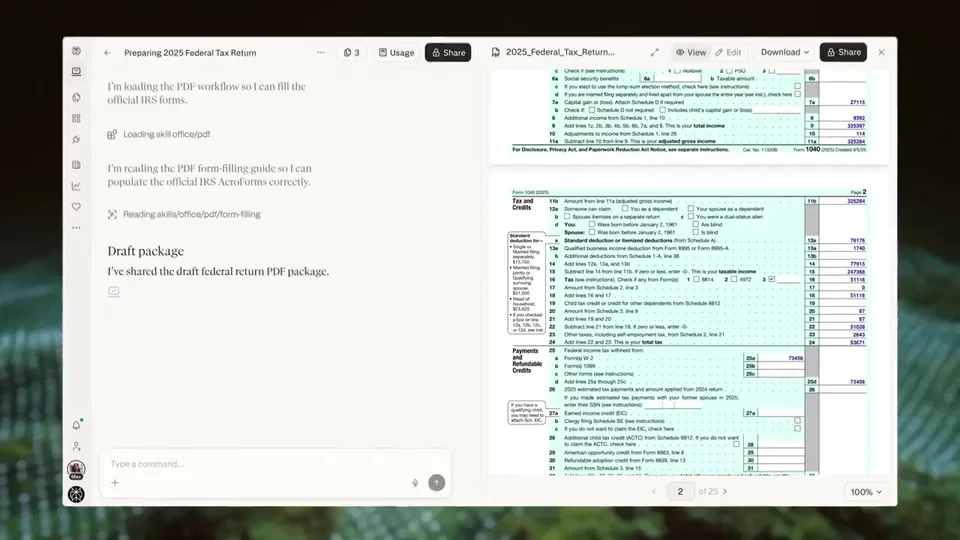
This framework shifts agent development from general prompting to structured procedural knowledge. By prioritizing specific failure cases over general rules, developers give agents judgment missing from training data. This modularity builds on Perplexity's tax-specific modules, where loading thousands of legal sections at once would otherwise degrade performance.

You can apply these principles to build custom capabilities that add to Perplexity Computer. The manual recommends writing evaluations and negative examples before the Skill itself to ensure precise routing. Perplexity warns that models cannot yet author their own procedural knowledge, requiring human-led curation that mirrors OpenRouter's human-in-the-loop SDK controls.

Still wondering? A few quick answers below.

Perplexity Agent Skills are a modular, open format used to extend AI agents with specialized knowledge and workflows. Unlike simple prompts, they are structured directories containing instructions, scripts, and reference data. They allow agents to load domain-specific expertise, such as finance or law, only when needed to maintain high performance and accuracy during complex tasks.

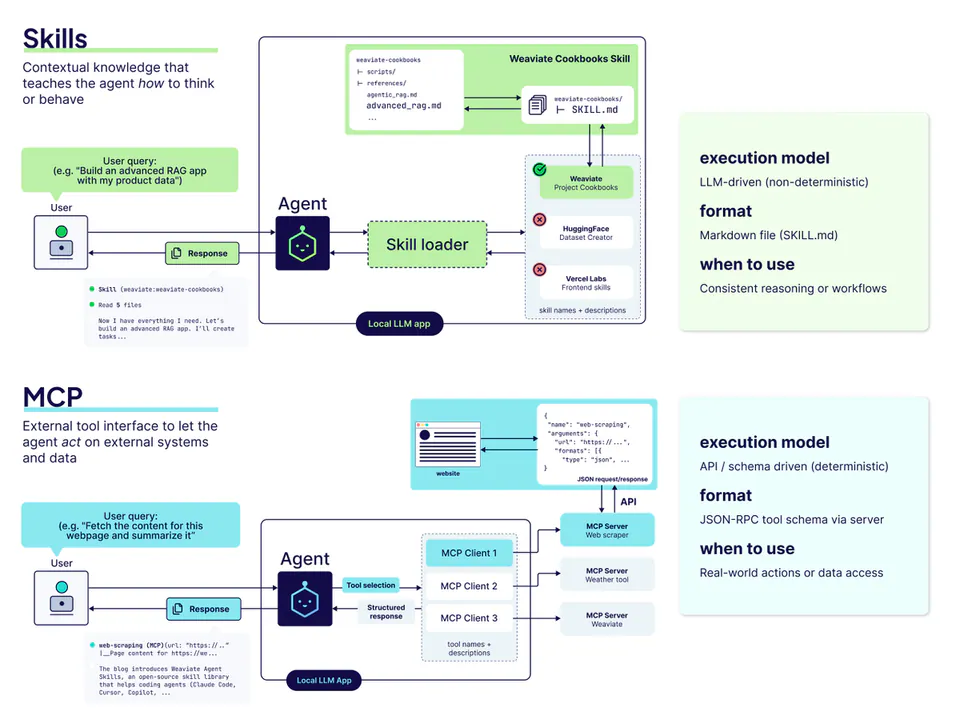
A Skill is organized as a directory rather than a single file. It typically includes a root markdown file for instructions, a scripts folder for deterministic code, a references folder for heavy documentation, and an assets folder for templates. This hub-and-spoke pattern allows agents to navigate complex information hierarchies progressively without overwhelming the initial context window.

Perplexity uses a three-tier context system to manage token costs. The index tier costs roughly 100 tokens per Skill and is always paid to enable routing. Loading the full Skill body typically costs around 5,000 tokens. Finally, runtime costs for scripts or reference files are unbounded and only incurred when the agent specifically reads those files during execution.

Perplexity research indicates that AI models cannot currently author the procedural knowledge they benefit from consuming. Self-generated Skills often provide no measurable benefit on average. Instead, the manual recommends that human developers author Skills to inject specific judgment and taste that models cannot learn from their original training data or general web search results alone.

You should use a Skill when an agent consistently fails a task without special context or when you need extreme consistency across runs. Skills are ideal for durable knowledge not found in training data, such as enterprise workflows or specific design standards. If a task is easy to explain or already in the model's training, a Skill is unnecessary.

Share this update