Maja Trebacz
@majatrebacz
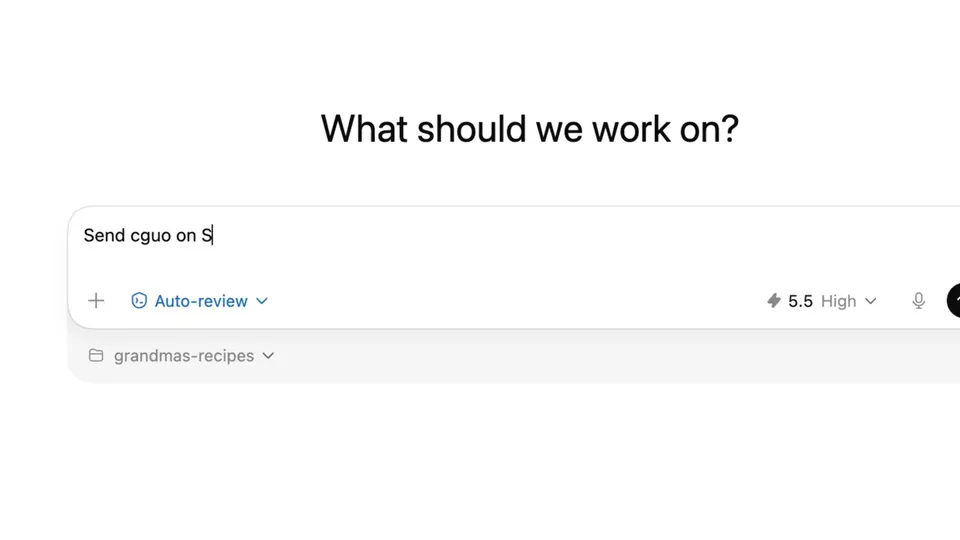
Clicking the "Approve permission" button is difficult. We show that agents can do that for you. Check out our alignment blog: https://t.co/2jwUmSws8y https://t.co/9eEHfhA4TH
11retweets99likes
View on X Maja Trebacz
· Updated
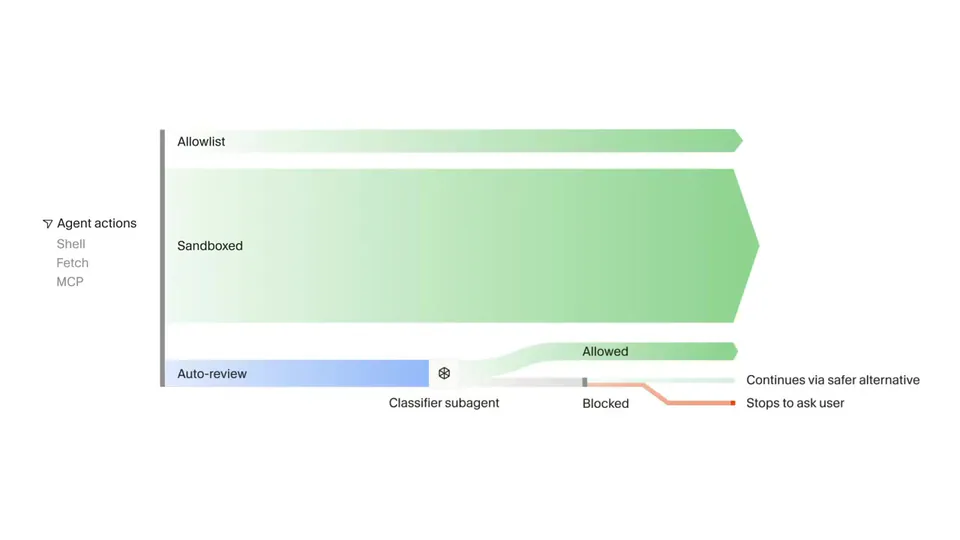
OpenAI released the research and code for Auto-review, a secondary agent that handles permission requests for Codex without requiring human intervention. This architecture allows autonomous coding agents to perform sensitive tasks like network calls while maintaining safety oversight through a separate reasoning model.
GPT-5.4 Thinking—to evaluate permission requests when the primary agent attempts actions outside its restricted sandbox (a secure, isolated environment). This model replaces the need for constant manual human approval.This shift addresses the "approval bottleneck" that prevents unattended Codex agent workflows from completing long-running background tasks. It mirrors Claude Code's new auto mode, which also uses per-action safety classification. Delegating oversight to a separate model maintains safety standards without sacrificing the productivity of autonomous agents.
You can now access the Auto-review logic in the open-source Codex repository. Internal data shows the system catches 99.3% of prompt injections while reducing human interruptions by 200x. It provides a safer default for agents interacting with external networks or sensitive file systems without constant human oversight.
Clicking the "Approve permission" button is difficult. We show that agents can do that for you. Check out our alignment blog: https://t.co/2jwUmSws8y https://t.co/9eEHfhA4TH
Still wondering? A few quick answers below.
Every HeadsUpAI update is written based on its original source and reviewed before it's published. Read our editorial standards →