Anthropic engineer Felix Rieseberg argues that agentic coding has broken traditional software time estimates by making the initial 80 percent of work nearly instantaneous. This shift moves the engineering bottleneck entirely to the final 2-5 percent of a project where human oversight is required to sweat the details.
Felix Rieseberg, engineering lead for Claude Cowork at Anthropic, observed that AI has fundamentally altered the Pareto Principle for software development. He suggests the ratio has shifted toward 98/2 because getting a feature to a "basically works" state is now nearly instant, while final details still require significant time.
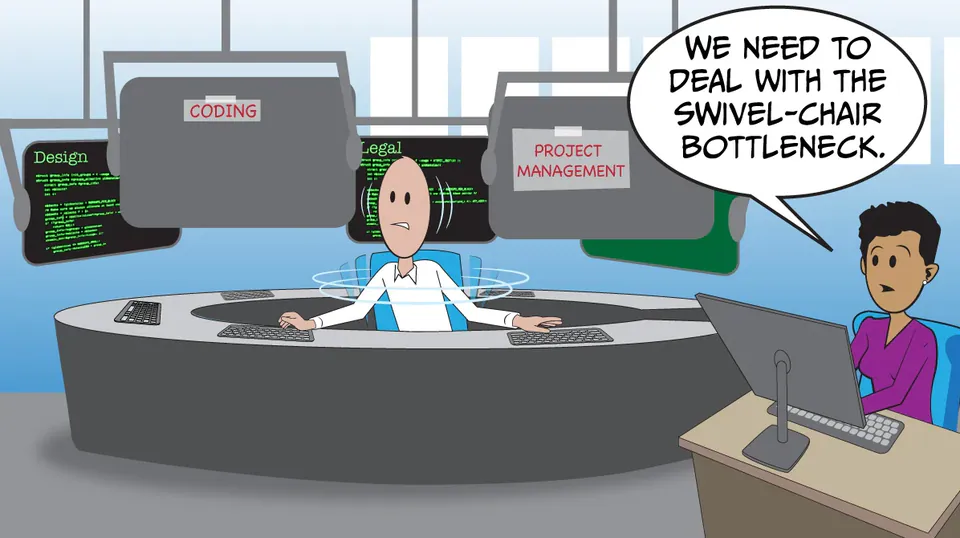
This recalibration reflects the impact of Claude Cowork and its autonomous mode on the software lifecycle. While traditional development followed a predictable curve, AI-native engineering front-loads code generation. This mirrors Andrew Ng's analysis that the primary bottleneck has moved from writing code to strategic verification.
You should adjust roadmaps to account for this "illusion of completion" where a functional prototype no longer signals a task is nearing the finish line. As Claude Desktop integrations accelerate the initial build, focus must shift toward the final sliver of work — debugging and polish — that still requires human time.