Google DeepMind integrated its Gemini Robotics ER 1.6 model into Boston Dynamics' Spot robot to enable embodied reasoning. This allows the robot to interpret natural language commands and navigate dynamic environments without manual programming. By bridging high-level AI reasoning with physical hardware, Spot can now autonomously orchestrate basic skills to complete complex goals.
Google DeepMind deployed Gemini Robotics ER 1.6 to power Boston Dynamics' quadruped robot, Spot. This integration introduces embodied reasoning—AI perceiving and acting in physical space—to the hardware. Instead of relying on rigid code, the system uses a visual-language model to interpret surroundings and execute multi-step instructions.
This shift moves robotics from deterministic programming to adaptive autonomy. Traditionally, robots required specific scripts for every scenario, making them brittle in changing environments. By using Gemini as a high-level reasoning layer, the robot can now understand intent through plain English and adapt its actions based on real-world visual feedback.
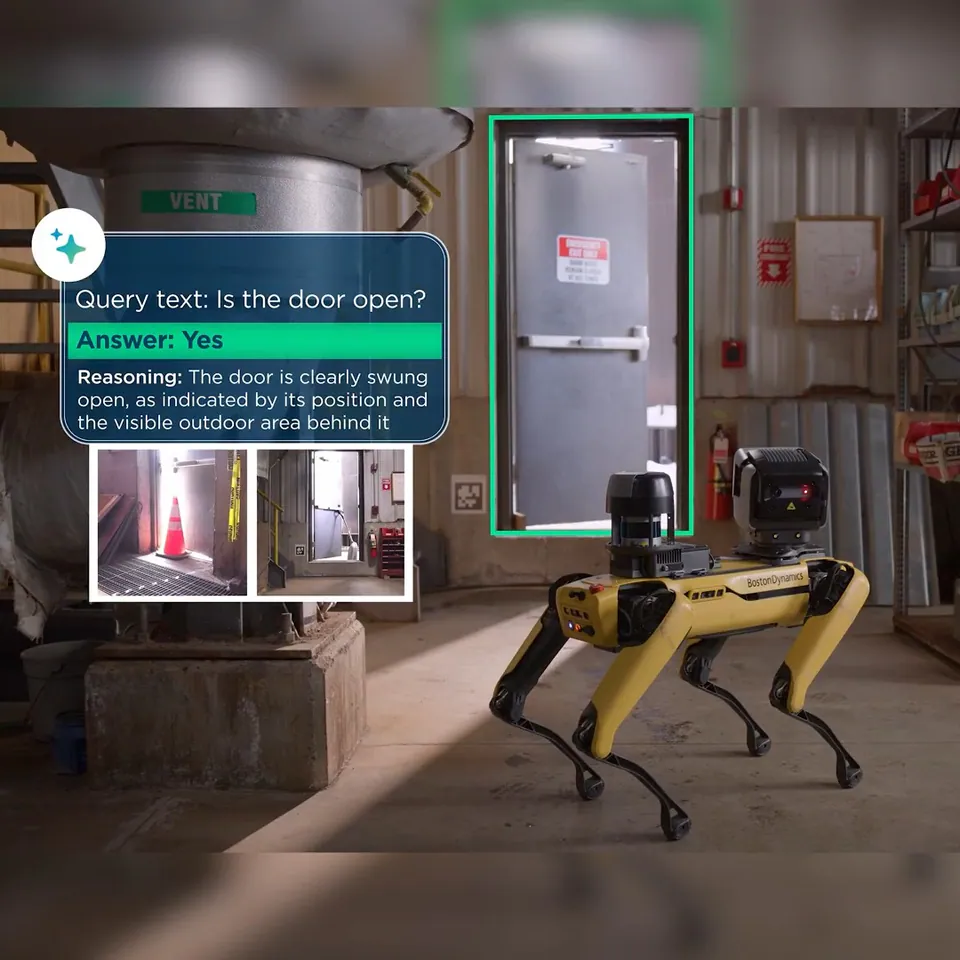
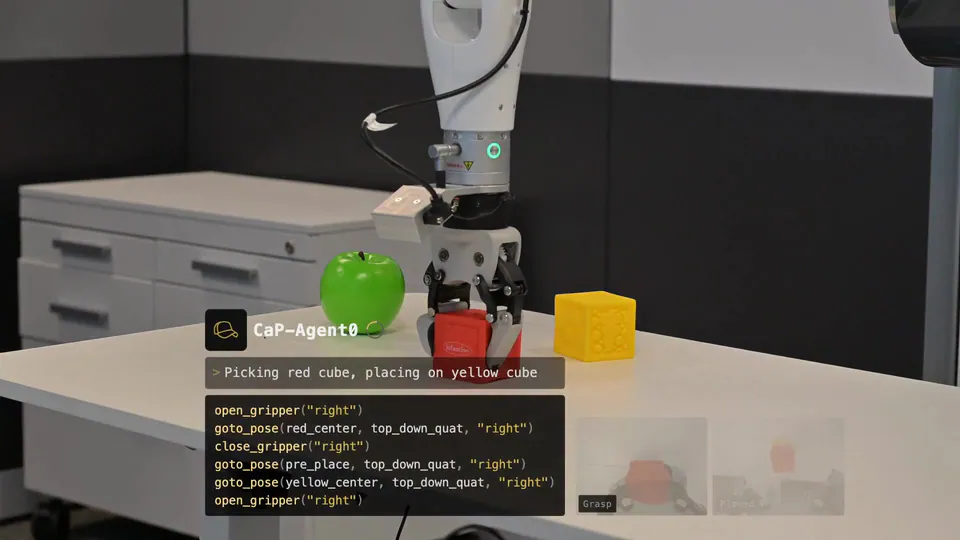
You can now use Spot for advanced industrial inspections, such as reading gauges and detecting hazards, using natural language prompts. The bridge between the AI and the robot provides a set of tools—including movement and object manipulation—that the model orchestrates to complete tasks like room tidying or facility monitoring.